It’s hard to believe that a whole year has gone by since I published our post on our favourite PR and marketing campaigns of 2024, but here we are. Twelve months on, we’ve found ourselves reflecting on another year of bold ideas, smart storytelling and campaigns that still manage to cut through the noise.
2025 has been another reminder of what great PR and marketing looks like when creativity is backed by strategy. Some of the campaigns we’ve picked simply made us stop scrolling, others sparked conversations, and a few set new benchmarks for how brands can show up in the right way.
Below, we’ve rounded up our favourite PR and marketing campaigns of 2025 – the ones that earned attention for the right reasons and reminded us why this industry is so great.
What’s in this article:
- Aldi: Jacket Potato Jacket
- Greggs: The Golden Flake Tavern
- WalletHub: Safest States in America (2025)
- Scrap Car Comparison: The B Plate
- Glasses USA: The Microfibre Collection
- Lawnstarter: 2025’s Best BBQ Cities
- Health Equals: Hazmat Loungewear
- Autotrader: World’s Friendliest Drivers
ALDI: Jacket Potato Jacket
I love a good PR stunt. And anyone who knows me will tell you how much I LOVE jacket potatoes too. So a campaign that combines the two? I’m sold.
In October, ALDI teamed up with London fashion brand Agro Studio to launch the limited-edition Jacket Potato Jacket – a puffer coat designed to look like a baked potato, complete with foil-style sleeves and a tinfoil-inspired rain cover.
The result is something ridiculous and brilliant in equal measure. The photos immediately spark a “WTF?” reaction, which is exactly why it’s so shareable. Launching this limited-edition jacket at the start of “jacket potato season” is also a clever reminder of how timing can make a campaign truly memorable – and whether it’s a hit or miss. You can read more about the campaign here.

Greggs: The Golden Flake Tavern
We’re just obsessed with pretty much everything Greggs’ PR and marketing team does. From sausage roll inspired makeup palettes and exclusive black cards to pranking unsuspecting foodies by serving up Greggs bakes under the guise of an artisan deli, their campaigns are consistently clever, playful, and on brand. Last year, their Top Trumps collaboration made our top ten, and this year we’ve been spoiled for choice – but the brand’s limited-time pub concept just about wins.
Running for five months from 27th September, the pop-up pub was the latest in a series of creative crossovers between Greggs and Fenwick – but this time, the duo honed in on pub nostalgia, complete with a Greggs-themed cocktail list.
Featuring playful, pastry-inspired dishes and drinks like the “Chicken Bake Parmo” and “Spiced Caramel Doughnut Old Fashioned”, this campaign nailed its timing and location. Launching in Newcastle (Greggs’ hometown) taps into local pride, while the five month pop-up format adds a sense of exclusivity. And the simple fact that Greggs stepped into the pub scene was totally unexpected – a brilliant example of how a brand can push its identity while staying true to its roots. Read more about this campaign here.
WalletHub: Safest States in America (2025)
We included a WalletHub campaign in our 2024 round-up, and the brand continued to dominate the content marketing world in 2025. Anyone wanting to understand how to “do” content marketing well only has to look at WalletHub’s studies page. Each study and campaign earns hundreds, if not thousands, of backlinks because they’re always so thorough, meticulously researched, visually engaging, and easy to digest – but what really sets them apart is how relevant and well-timed they feel.
Their “Safest States to Live In” study is a perfect example. Summing up the purpose behind it, the brand said: “Each new headline about a mass shooting, terrorist attack, hate crime, or natural disaster reminds us how fragile safety can feel.” This is what makes the study feel so impactful – and probably why the campaign page has earned a whopping 3,000+ links since its launch at the start of October 2025.
The campaign’s credibility comes from the data itself. WalletHub ranked all 50 U.S. states using a range of rigorously measured indicators like personal safety, residential safety, road safety, workplace safety, and emergency preparedness. Vermont came out on top as the safest state in the US, giving readers a concrete takeaway alongside the clear, nuanced view of safety the study provides. This makes the campaign feel practical and trustworthy – it’s not just a listicle or surface-level ranking.
And the timing couldn’t be more relevant. With news cycles dominated by stories highlighting risks to everyday safety, this study taps directly into a collective sense of vulnerability, making it highly shareable across media outlets and social channels. This is a campaign that not only drives links but also cements WalletHub as a leader in data-driven content marketing. Read more about the campaign here.
Scrap Car Comparison: The B Plate
We’ve spent years creating PR campaigns for motoring clients, so we know just how crowded the sector can be. Dozens of brands are fighting for the same attention, producing similar angles and pitching to the same journalists. Every so often, though, a campaign comes along that makes you think, “I really wish I’d thought of that” and this is a great example. It’s a simple idea executed brilliantly.
PR campaigns should educate, entertain, or surprise. Often, the ones that really land are the ones that make you stop and think, “WTF?” And there’s one thing you can never overlook – shareability. Is the idea something you can picture a friend or family member dropping into the group chat? If the answer’s yes, you’re on to a winner.
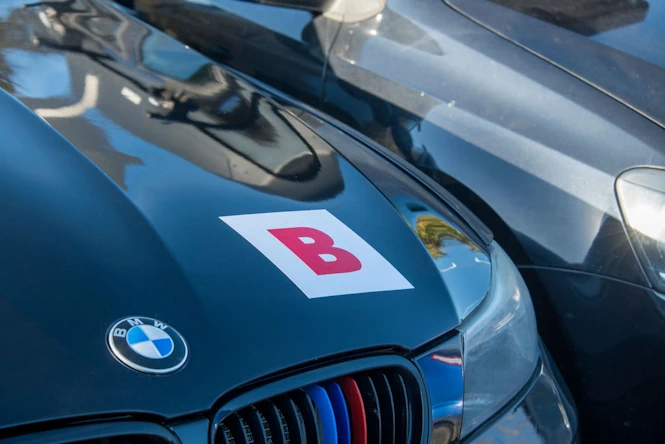
What makes this campaign stand out is how it taps into something almost every driver can relate to – the universal frustration and embarrassment of bad parking. Scrap Car Comparison’s B Plate campaign takes that relatable pain point and turns it into a clever idea with real shareability. It’s simple, it’s cheeky, and it’s shareable – exactly the sort of idea that makes people stop mid-scroll and either tag a mate or hit share in the group chat.
Glasses USA: The Microfibre Collection
April Fools’ campaigns are notoriously hit and miss – and, if we’re being honest, the majority are very much in the ‘miss’ bracket, aren’t they? It’s one of the hardest PR pegs to get right. Every brand is competing for the same limited press real estate, the internet is flooded with gimmicks, and the risk is high because you’ve only got one day for your idea to land. But that’s why Glasses USA’s Microfibre Collection stood out so strongly.
As someone who wears glasses every day, I felt personally attacked in the best possible way. I know I’m not supposed to wipe my lenses on my clothes, yet I do it constantly. So a complete “fashion line” made entirely from microfibre, purely so glasses-wearers like me can stop smearing dirty marks across our lenses when we inevitably use our tops and jumpers to clean them, feels both absurd and painfully relatable.
What elevates this beyond a throwaway April Fools’ joke is how neatly it ties back to meaningful product messaging. The prank is obvious, but the point is real: stop using your clothes and use a proper microfibre cloth! Pairing the launch with a free “Don’t Use Your T-Shirt” glasses cloth for customers was the perfect finishing touch. See the campaign here.
Heineken: The Office
Campaigns that tap directly into real cultural tension always tend to do well, and this is a great example. As companies doubled down on return-to-office mandates, Heineken flipped the entire conversation on its head – and flipped a few pub signs while they were at it.
The brand zeroed in on something totally human – the quiet but very real loss of those spontaneous, after work chats that hybrid working has made harder. The campaign is pegged on to a stat many of us probably resonate with (46% of hybrid workers say they’re missing out on casual catch ups with colleagues) and turns it into an invitation to bring back the best part of office culture – the after work pint.
The execution is simple but really effective. Pubs across the country were temporarily rebranded as “The Office”. Five pubs in London, Manchester, Liverpool, and Glasgow even got full physical makeovers. But it wasn’t just a visual stunt. Anyone who signed up could claim a free Heineken or Heineken 0.0 to share with up to three colleagues at more than 1,000 pubs across England.
What I love about this campaign is that it understands the cultural mood without being heavy-handed with it. Workers don’t miss the office (at least not the clinical environments or the commutes), but they do miss each other! Read more here.

Lawnstarter: 2025’s Best BBQ Cities
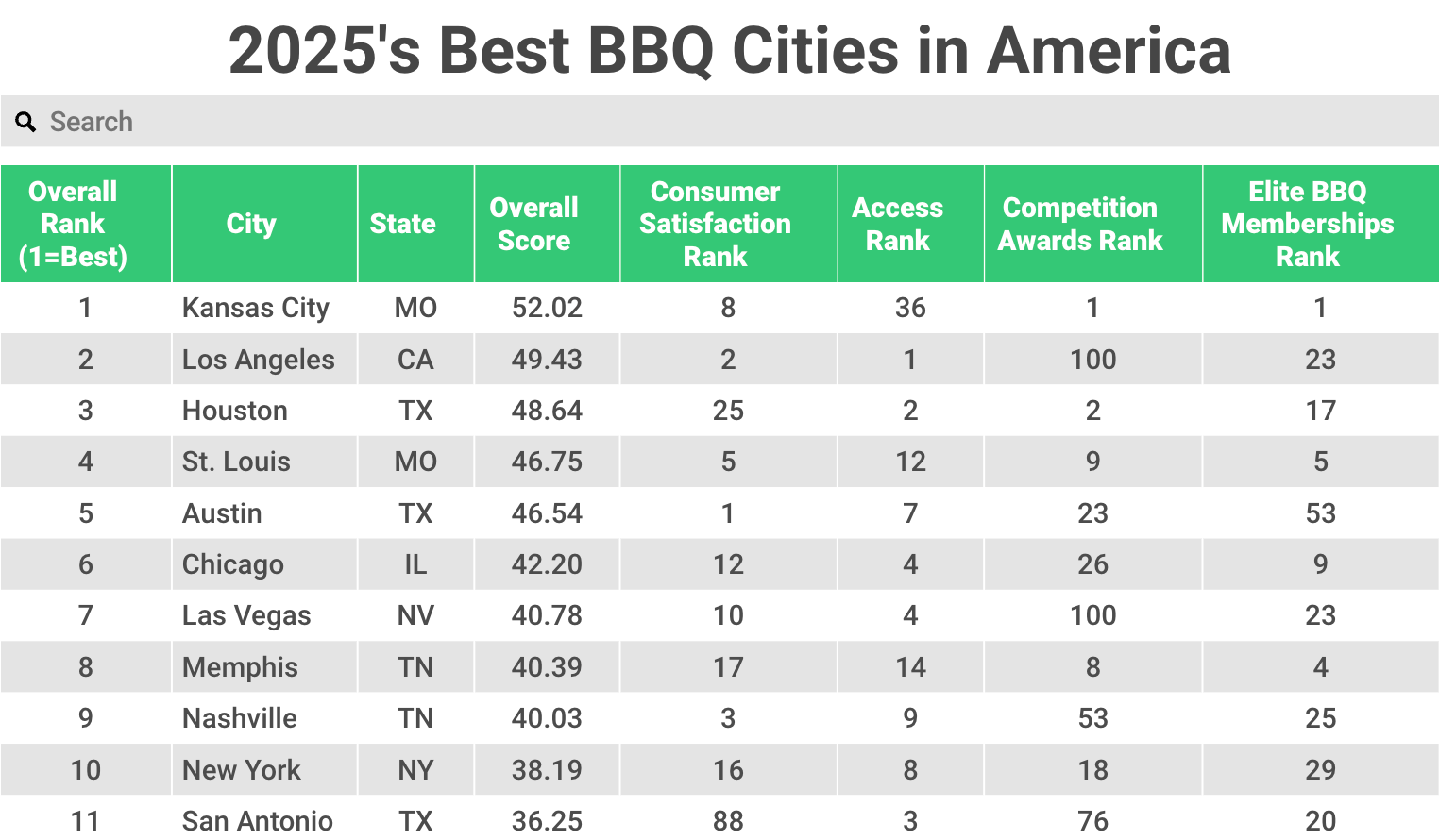
Whilst the WalletHub index example above is pegged on something really serious and worthy, this LawnStarter campaign proves that indexes and rankings can be light and playful and still be really effective. Launched in the middle of summer (peak BBQ season) the “Best BBQ Cities in America 2025” campaign is perfectly timed to give readers fun insights they could share.
The study examined 13 metrics across nearly 500 of the biggest U.S. cities, including the number of BBQ establishments, average number of reviews per establishment, number of top-rated (4.5+ star) BBQ establishments, number of NBBQA award-winning cooking teams in the past five years, and the number of KCBS 180 Club members. LawnStarter combined all these data points to create a comprehensive, credible, and shareable index that’s both authoritative and entertaining.
Since its launch, the campaign has earned over 400 links from 250+ domains, proving that lighthearted, playful content can perform just as strongly in link-building as more serious studies. It also offers excellent regional pitching potential, giving local media outlets a story angle that’s directly relevant to their readers.
Health Equals: Hazmat Loungewear
Here’s another great example of how creativity can be used to expose serious issues. At first glance, Health Equals’ campaign is kind of absurd – protective, hazmat-style loungewear designed for wearing at home. But the shock value quickly gives way to a sobering truth, because for millions of people across the UK, their homes are actively damaging their health.
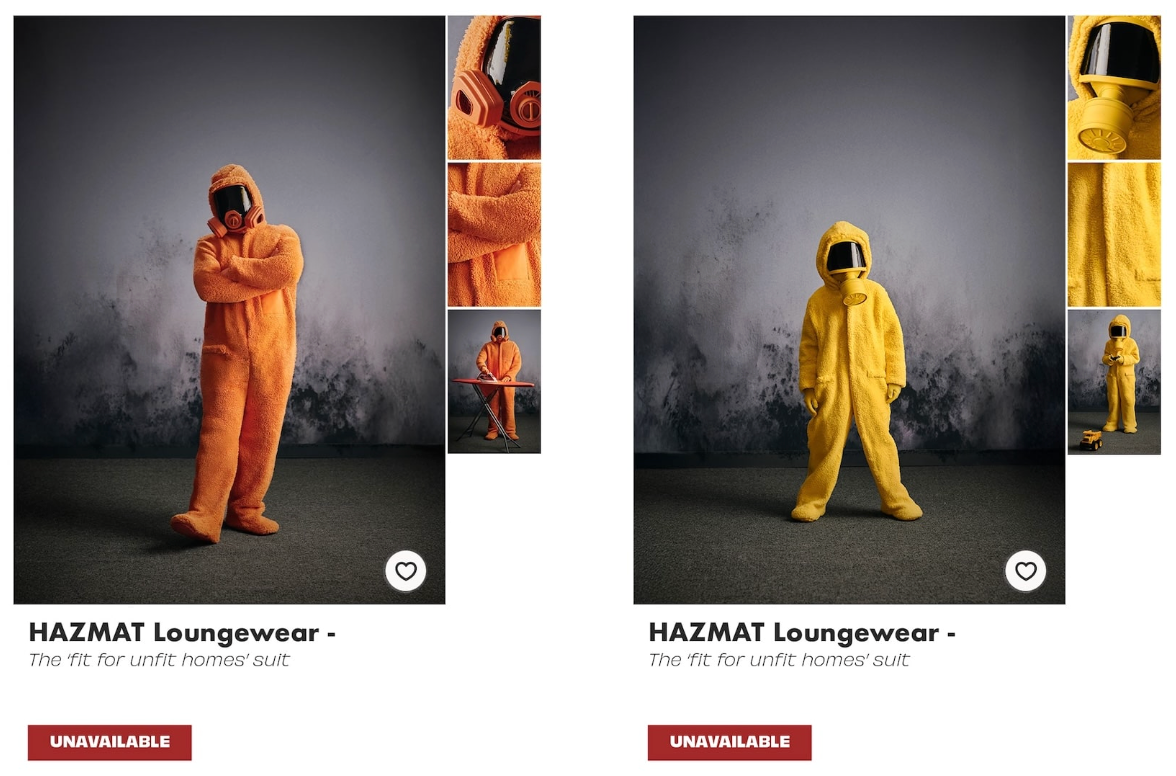
The campaign addresses the fact that one in four people in the UK live in housing conditions that can make them ill, with issues like damp, cold and mould putting wellbeing at risk. But rather than presenting these facts in a traditional report, Health Equals turns them into something visual. And the campaign doesn’t stop at awareness. Health Equals is explicit that the hazmat suits aren’t an actual solution – fixing unhealthy homes is.
Hazmat Loungewear shows how purpose-led campaigns can be both creative and credible. In this case, a complex, systemic issue is taken and made instantly understandable, emotionally resonant, and impossible to ignore.
Autotrader: World’s Friendliest Drivers
Autotrader’s Friendliest Drivers campaign is one of those ideas that feels obvious in hindsight – which is usually a sign it’s a good one. Everyone has an opinion on what drivers are like where they live, and most of us are more than happy to debate which parts of the UK are polite behind the wheel and which… less so. Autotrader took that everyday conversation and expanded it to look at drivers around the world, giving it structure, data, and a reason to be shared. As a result, it’s earned coverage and links from media outlets across the globe, including I Am Expat NL, Travel + Leisure, Roadster HU, and Australian media like Your Life Choices.
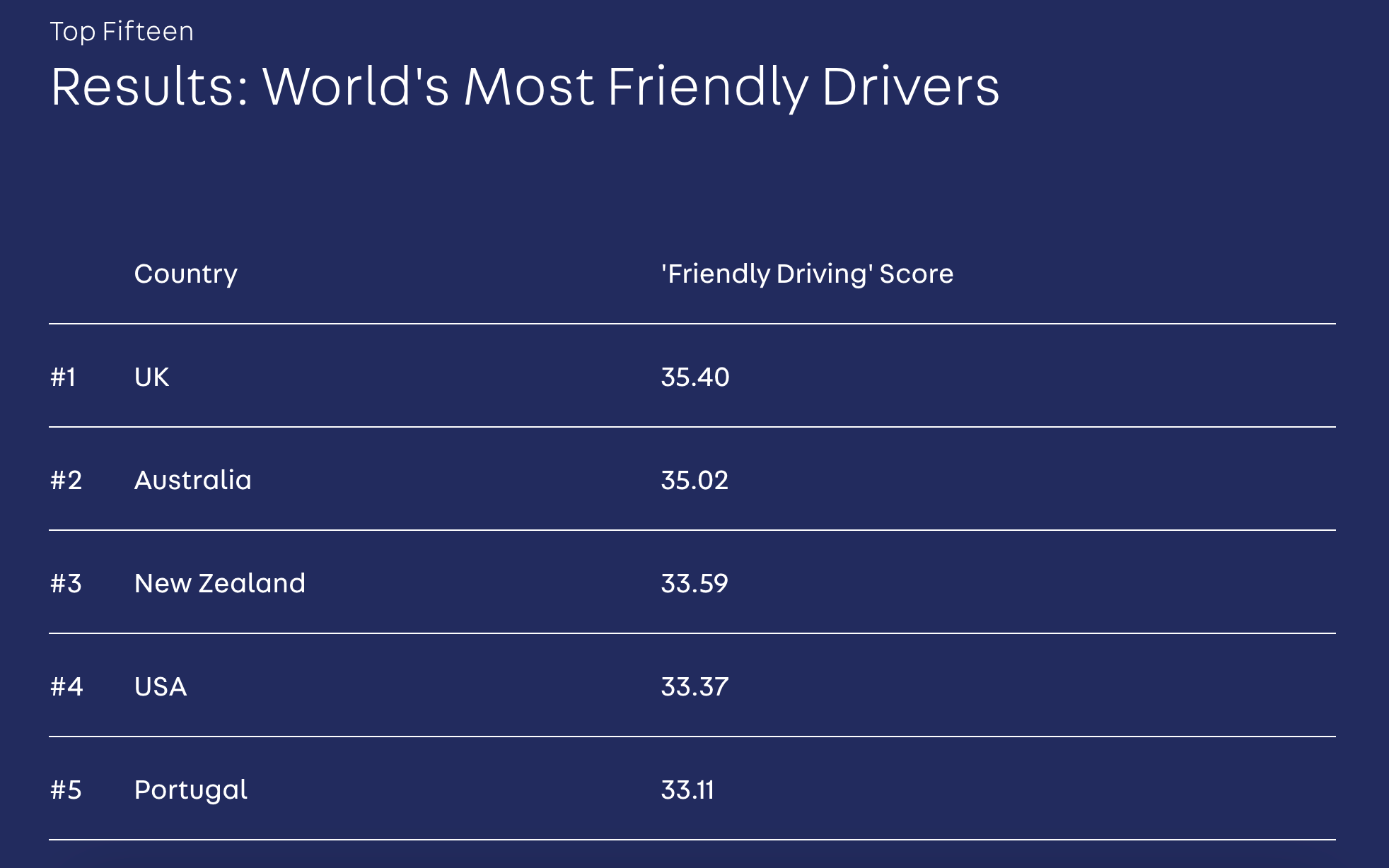
What makes it work is how accessible the topic is. You don’t need to be a car expert to have a view on driver behaviour – you just need to have ever been in traffic. By ranking the friendliest drivers across the world, the campaign taps into something light-hearted but surprisingly emotive. People want to see where their area lands, they want to agree (or not), and they want to send it to someone else with a “this checks out” message attached. It gives readers plenty of fuel for debate, especially if they’ve driven or holidayed in those countries themselves.
There’s a subtle brand win here too. Rather than talking explicitly about selling cars, Autotrader positions itself as a brand that understands drivers – not just vehicles. It shifts the conversation from transactions to behaviour and everyday experience, which generally makes the brand feel more human and relatable.
Inspired by these standout campaigns? Let us help you create your own award-winning digital PR strategy. Contact the Motive team today to discuss!
© MOTIVE
.jpg)
.jpg)
.png)

.jpg)