When putting together a digital PR campaign, it’s easy to focus too narrowly on links and brand mentions, but other tactics can also play a key role in increasing brand awareness.
TV and radio interviews may feel like a thing of the past, but they remain some of the most powerful tools for reaching a wide audience and building brand credibility. Almost 9 in 10 UK adults listen to the radio for an average of 20.5 hours a week, meaning a single interview can put a brand in front of thousands – and sometimes millions – of people. Even a short slot on a respected TV or radio programme can carry significant weight, lending instant authority and trust.
Aiming to add TV and radio interviews to a campaign is an effective way to complement other PR tactics, creating multiple touchpoints for audiences. This helps reinforce key messages, build trust, and strengthen brand credibility.
If you want to learn more about how interviews work, the benefits they bring, and how to give journalists exactly what they’re looking for, you’re in the right place.
What’s in this article:
- The benefits of TV and radio interviews
- What exactly are journalists looking for?
- Why brands should also consider podcast interviews
- Tips for radio and TV interviews
- Key takeaways
The benefits of TV and radio interviews
It can be easy to overlook the benefits of traditional broadcast media these days, but TV and radio are still a powerful way to reach large audiences and humanise your brand. According to Ofcom, 93% of UK adults listen to some form of audio content each week. But if you’re still not entirely sure (or convinced) that this is a great way to get your brand and your message out there, then let's break down some of the benefits of doing interviews.
Reaches a large audience
TV and radio shows can often have up to millions of people tuning in and can reach audiences you may not have with just digital channels alone. Targeting shows that are specific to your industry is even better as it puts you in front of a much more relevant and targeted audience which can increase your chance of meaningful engagement. This goes for things like podcasts too.
Humanises your brand
Putting a face and voice to your spokesperson allows people to hear who's behind the brand which can make messages feel much more authentic and real. Consistent radio and TV coverage also helps build familiarity over time which can help your brand become more recognisable and strengthen the trust between your business and its audience.
Builds credibility
TV remains one of the most trusted forms of media and carries a sense of public accountability since public promises carry more weight. Securing interviews on well known platforms such as the BBC or ITV gives your brand third-party validation and makes audiences much more likely to trust you and your product or service in the long run.
Strengthens brand awareness
The more people that are exposed to your brand, the more recognisable you become. Consistent radio and TV interviews alongside your existing campaign helps audiences remember your brand which can set you apart from competitors.
Cuts through digital noise
People are fatigued from social media feeds and online ads so messages often risk being ignored. TV and radio capture attention in a more focused environment which gives you more opportunity to get your message across and actually be heard.
The content can be repurposed and reused
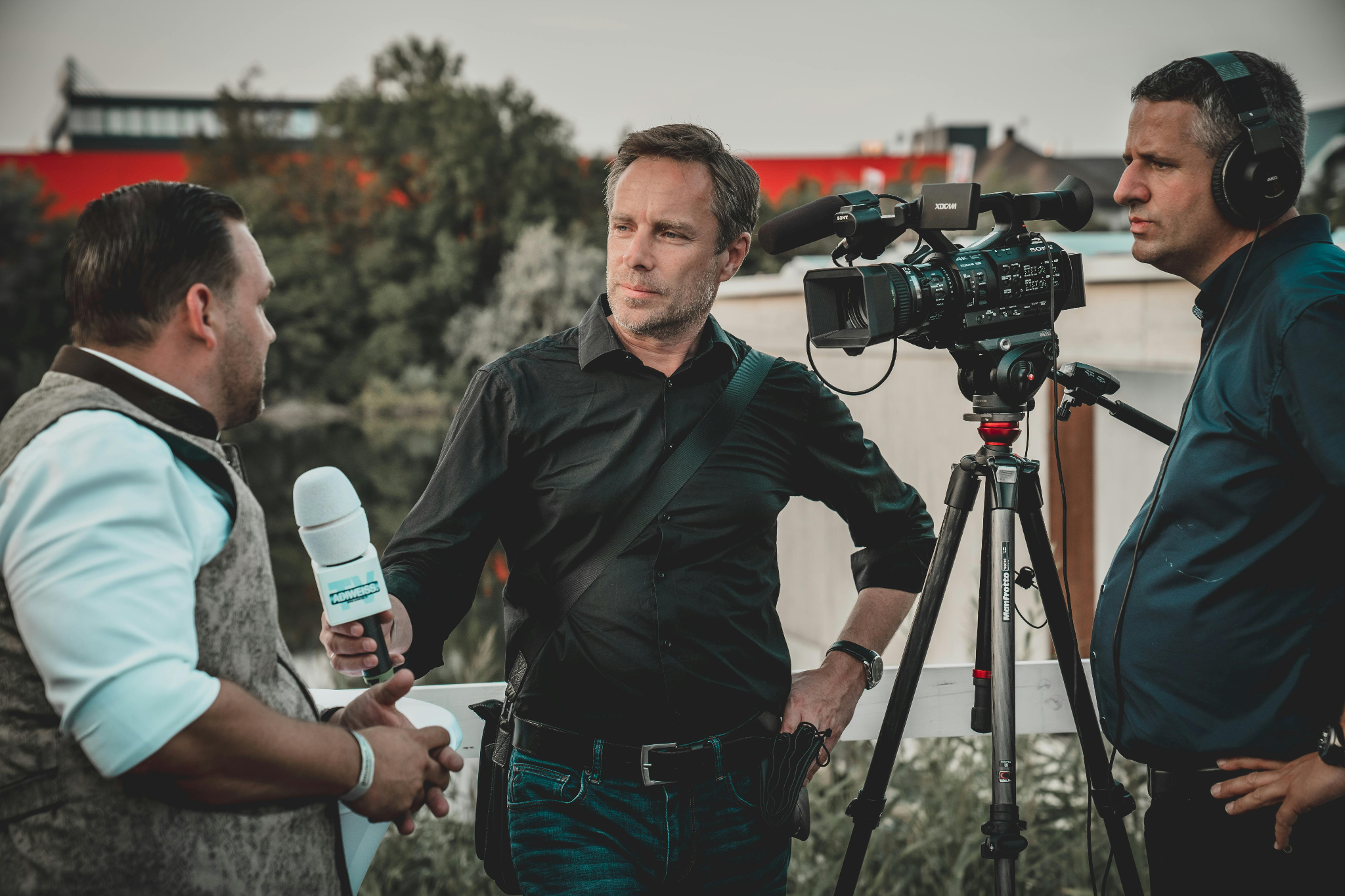
Interviews can often be clipped and reused, extending their reach beyond the original broadcast. For example, when we worked with Inhaler Tailor, we secured an interview on the regional TV station BBC Look North. The story was a success and was later aired on BBC Breakfast, reaching thousands more viewers.
What exactly are journalists looking for?
Understanding what journalists and producers are looking for is key to being able to secure a credible interview slot. They’re not after anything and anyone that can just fill a segment for them. They want real stories that will engage their audience.
What you’re able to offer them may depend on your brand and what you’re hoping to achieve through doing interviews. Are you able to comment on a relevant breaking news story? Do you have a shocking or heart-warming case study to share? Do you have any compelling research or statistics to present? Can you offer expert advice on a trending topic?
No matter what it is, here is a list of things journalists and producers will generally be looking for:
- Newsworthiness - Journalists and producers will be prioritising stories that are timely, relevant and worth covering now. Keep an eye on the news to see if there is anything you can add to breaking stories such as data, insights or expertise.
- Authority and expertise - To be considered for interviews you must have a credible expert who can speak confidently on the topic.
- Exclusivity - Journalists are always on the lookout for fresh stories so offering unique and exclusive insights can increase your chances of being featured.
- Problem solving or actionable advice - Offering practical tips is highly valued by audiences which makes this a popular segment for TV and radio.
- Human stories - Human stories that can offer a feel-good aspect or provoke emotion are favoured by producers as they help audiences connect on an emotional level.
Why brand should also consider podcast interviews
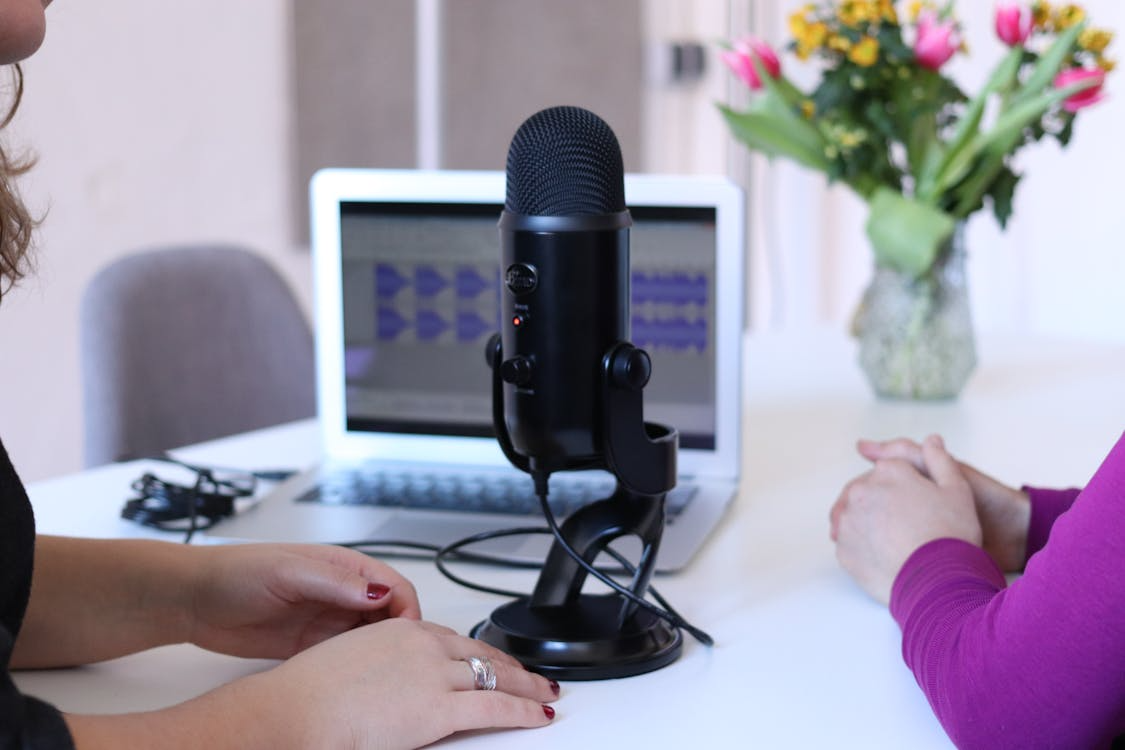
We can’t talk about interviews without mentioning podcasts. Podcasting has taken off massively over the past few years and it’s believed that in 2025 alone around 584 million people worldwide were listening to podcasts.
Appearing on podcasts is another great way to gain exposure for your brand, especially if you specialise in a niche industry. It can be harder to find appropriate TV and radio interviews for highly specialised topics but podcasts are often created to serve niche audiences. With over 4 million registered podcasts around the world, you’re bound to find one that is tailored to your exact audience.
Podcasts also tend to be longer and more conversational than TV and radio interviews which gives you much more time to share your story and interesting insights. This can be particularly helpful if you’re trying to position yourself or your brand as a thought leader.
Unlike traditional interviews, podcasts live online for years after and can attract new listeners several months after its initial air date. This means one single interview can continue to introduce you to more people and deliver long-term value long after it’s been recorded.
When looking for podcasts to appear on, the audience matters far more than the listening numbers. You’d rather have a smaller, more engaged audience than a large one who isn’t interested in what you have to say.
Tips for radio and TV interviews
We know the thought of being on TV or radio can be daunting to a lot of people but the truth is it really doesn’t have to be. Picking a relevant spokesperson who is truly an expert on the topic being discussed is crucial but it’s also important to come across authentically so people can really connect with you.
Here are some of our top tips for preparing for an interview:
1. Choose the right spokesperson
Your chosen spokesperson will be a lot of people's first impression of your brand so you want to pick someone who speaks confidently and knows their stuff. They don’t necessarily have to be media trained, they just need to be personable and articulate.
2. Prepare your key points
Depending on what you’re being interviewed on, you may have some key messages that you want to get across. Prepare these beforehand and make sure each point is concise and to the point.
3. Know your audience
As a spokesperson, it’s important to do some research on the show so you know exactly who your audience is and who you’re talking to. Your PR will brief you on this but some extra research doesn’t hurt.
4. Avoid jargon heavy language
Producers want clear stories so try to keep your language jargon-free. They want relatable stories and clear messages that are easy for audiences to understand and engage with.
5. Be authentic
Remember you’re talking to real people so speak naturally and let your personality shine through. Being relaxed and authentic will resonate with people much more than reciting from a script.
6. Prepare for any kind of question
PR’s can sometimes find out questions ahead of the interview but sometimes they may only be given an overview of what will be covered. Try to pre-empt any difficult questions so you’re not caught off guard.
Key takeaways
- TV and radio is still one of the most trusted forms of media.
- Being featured on reputable platforms humanises your brand, builds trust and earns credibility.
- Interviews can provide third-party validation, positioning your brand and its spokespeople as credible experts in your field.
- Journalists and producers look for stories that are newsworthy, provoke emotion and engage their audience.
- To deliver a successful interview, choose the right spokesperson who can talk about the topic at hand and encourage them to be themselves so the audience can relate to them.
If you’re interested in securing TV and radio interviews to reach new audiences, please get in touch with us to see how we can help.
.jpg)
.jpg)
.png)

.jpg)